
Anthropic Releases Claude Opus 5.5 with Enhanced Capabilities and Cost Reduction
Anthropic launched Claude Opus 5.5, matching the performance of its Mythos-level Fable 5.1 on most tasks while reducing costs by 40% compared to Opus 5. Input/output prices are $4/$20 per million tokens, with cache reads down to $0.2. The model excels in agentic coding, knowledge work, and visual understanding, and includes enhanced safety restrictions for cybersecurity and biology.
Key insights
Cost Reduction Details and Pricing
Opus 5.5 costs 40% less than Opus 5 for the same tasks, due to both lower per-token prices and fewer tokens needed. Input/output: $4/$20 per million tokens (20% cheaper than Opus 5). Cache read dropped from $0.5 to $0.2. Output speed is 30% faster. For heavy developers, the cache read reduction is most impactful as agents repeatedly read the same context.
Performance Benchmarks and Real-World Examples
Opus 5.5 matched Fable 5.1 on most tasks. In a HAProxy C-to-Rust rewrite, Opus 5.5 completed in 9.5 hours vs Fable 5.1's 12 hours, with 51% lower cost. On Terminal-Bench 4.0, it tied GPT-6 Astra at about 40% the cost. An early tester audited a 200k-line codebase in under 3 hours (Opus 5 took 20+ hours, 2.5x tokens). In a research task, 16/18 quarterly reports passed hallucination checks vs 0 for Fable 5.1 and Opus 5.
Safety Restrictions and Anti-Distillation Measures
Opus 5.5's capabilities in cybersecurity and biology approach Mythos 5.1, so it inherits Fable 5.1's safety restrictions: most cybersecurity tasks are auto-routed to older Opus 4.8; biology work requires Life Sciences Verification Program approval. Thinking mode cannot be disabled. API accounts registered after Aug 31, 2026 cannot extract reasoning via historical context modification, to prevent distillation.
Prompt and Harness Adjustment Recommendations
Anthropic provided 11 adjustment directions for Opus 5.5. Key points: effort calibration is the main knob (5.5's medium ≥ Opus 5's high); thinking mode is always on; remove old instructions that put reasoning into text; use display: 'summarized' for thinking summaries; for unattended tasks, add checklist to prevent false completion; use <pasted_content> tags to resist injection; and remove 'think carefully' prompts as the model self-regulates.
Creative and Visual Capabilities
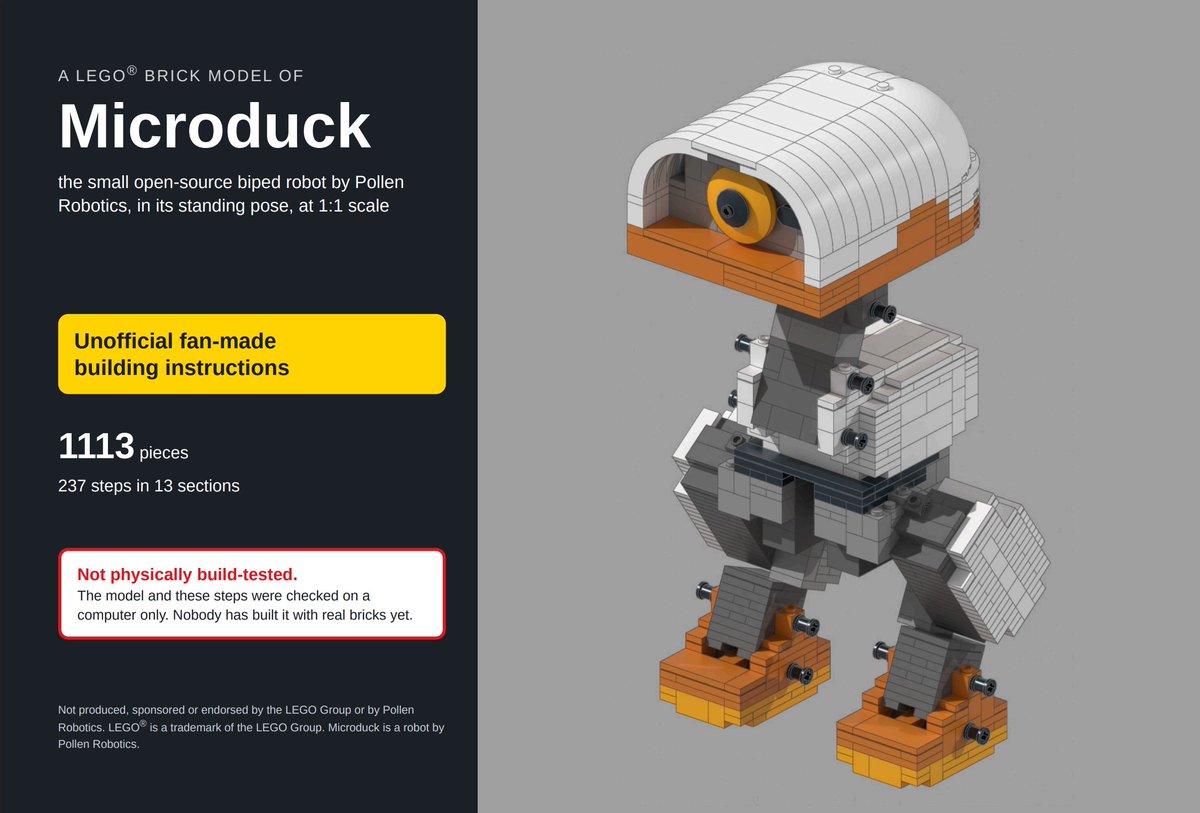
Opus 5.5 demonstrated strong creative output: it designed a LEGO Microduck with 1113 real parts, 6 colors, zero collisions, and produced a 141-page building manual. It can generate product promotional videos via pure code, reportedly surpassing previous vendor outputs costing thousands. Visual understanding improved significantly: even at lowest effort, it reads dense charts better than Opus 5 at highest effort.