
Anthropic releases Claude Opus 5.5 with performance and cost improvements
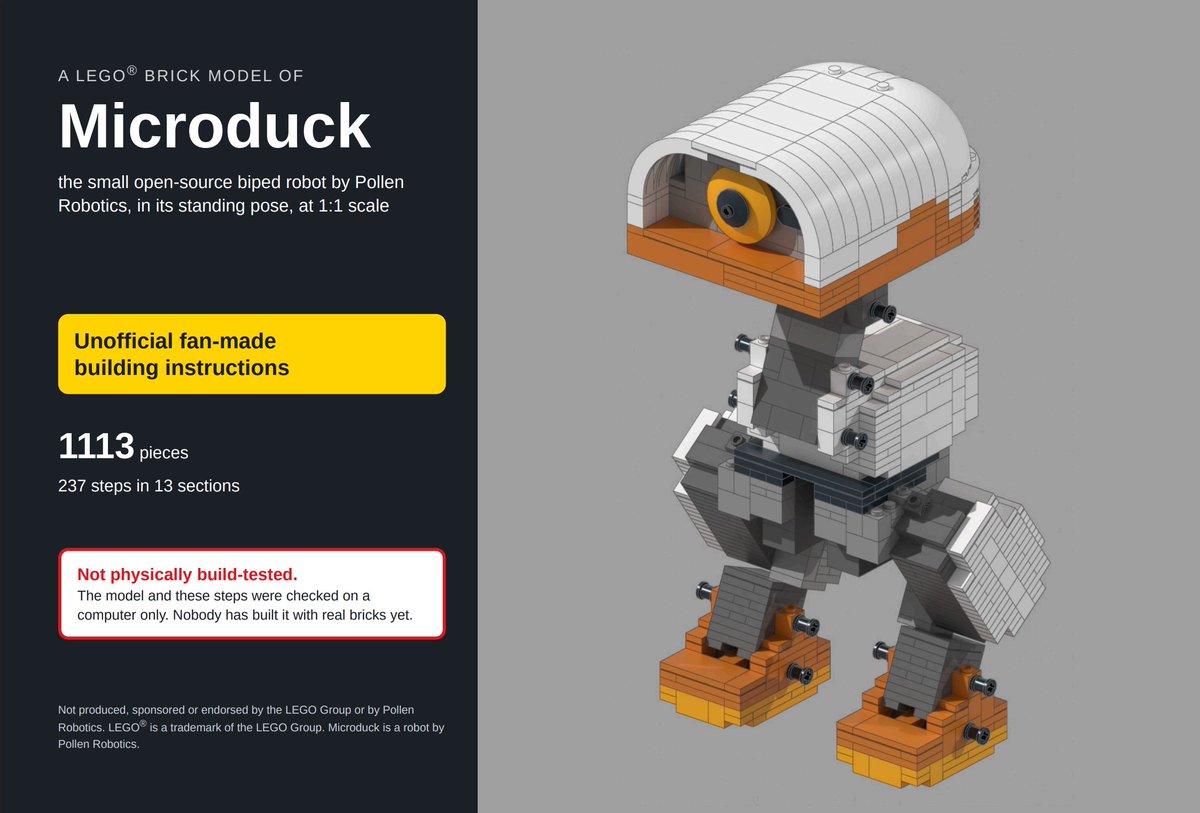
Anthropic released Claude Opus 5.5, matching Fable 5.1 performance on most tasks while reducing costs by 40%. Input/output prices are $4/$20 per million tokens, with cached reads dropping to $0.2 per million. Output speed improved over 30%. In a LEGO test, it designed a buildable model with 1,113 real bricks and generated a 141-page instruction manual. It also showed strong code audit and fact retrieval capabilities.
Key insights
Pricing and cost efficiency improvements
Claude Opus 5.5 input costs $4 per million tokens and output $20 per million, 20% cheaper than Opus 5. Cached reads dropped from $0.50 to $0.20 per million tokens, a significant reduction for agents that reuse context. In a test case, auditing a 200,000-line codebase took less than 3 hours with Opus 5.5 compared to 20+ hours with Opus 5, using 2.5x fewer tokens. Rewriting HAProxy from C to Rust took 9.5 hours at 51% lower cost than Fable 5.1.
LEGO design demonstrates multimodal and spatial capabilities
A test by HuggingFace researcher victormustar asked Opus 5.5 to design a Microduck using real LEGO bricks. Opus 5.5 produced a design with 1,113 real LEGO pieces in 6 colors, 3,204 connections all matching in 3D with zero collisions, centroid within support polygon, and a 141-page, 237-step instruction manual in official LEGO style. It also generated LDraw model files, CSV parts list, and BrickLink XML BOM with per-item pricing.
Factual accuracy improvements in knowledge work
Opus 5.5 significantly reduced errors in numbers and citations. In a test where models had to write quarterly company reports based solely on web search, Opus 5.5 produced 16 out of 18 reports with no fabricated data or quotes, while both Fable 5.1 and Opus 5 failed all reports. Dario Amodei also noted the model's writing style now puts conclusions first and better follows user instructions.
Safety restrictions and verification programs
Opus 5.5's capabilities in cybersecurity and biology approach Mythos 5.1 level, so it inherits Fable 5.1's safety guardrails: it can fix its own code vulnerabilities but most cybersecurity tasks are routed to Opus 4.8; biology-related work is restricted. Academic labs and pharma companies can apply for the Life Sciences Verification Program to unlock biology capabilities. A verification channel for security practitioners will open in coming weeks. Developers should note that thinking mode cannot be disabled, and accounts registered after August 31, 2026 cannot use context manipulation to extract reasoning traces (anti-distillation).
Prompting and harness adjustments needed for Opus 5.5
Anthropic published an 11-point adjustment guide for Opus 5.5. Key changes: effort knob replaces old settings (5.5's medium ≥ 5's high); thinking mode is always on and cannot be disabled; for unattended tasks, implement checklist-based end detection to avoid false completions; safety refusals return stop_reason: 'refusal' and can fall back to backup model; use progress-update thinking blocks to keep clients informed; add time signals to drive parallelism; remove 'think carefully' instructions in chat to improve speed; handle pasted content with <pasted_content> tags for injection resistance.