
Cinderella Effect: User Lock-in and Platform Incentives for AI Models
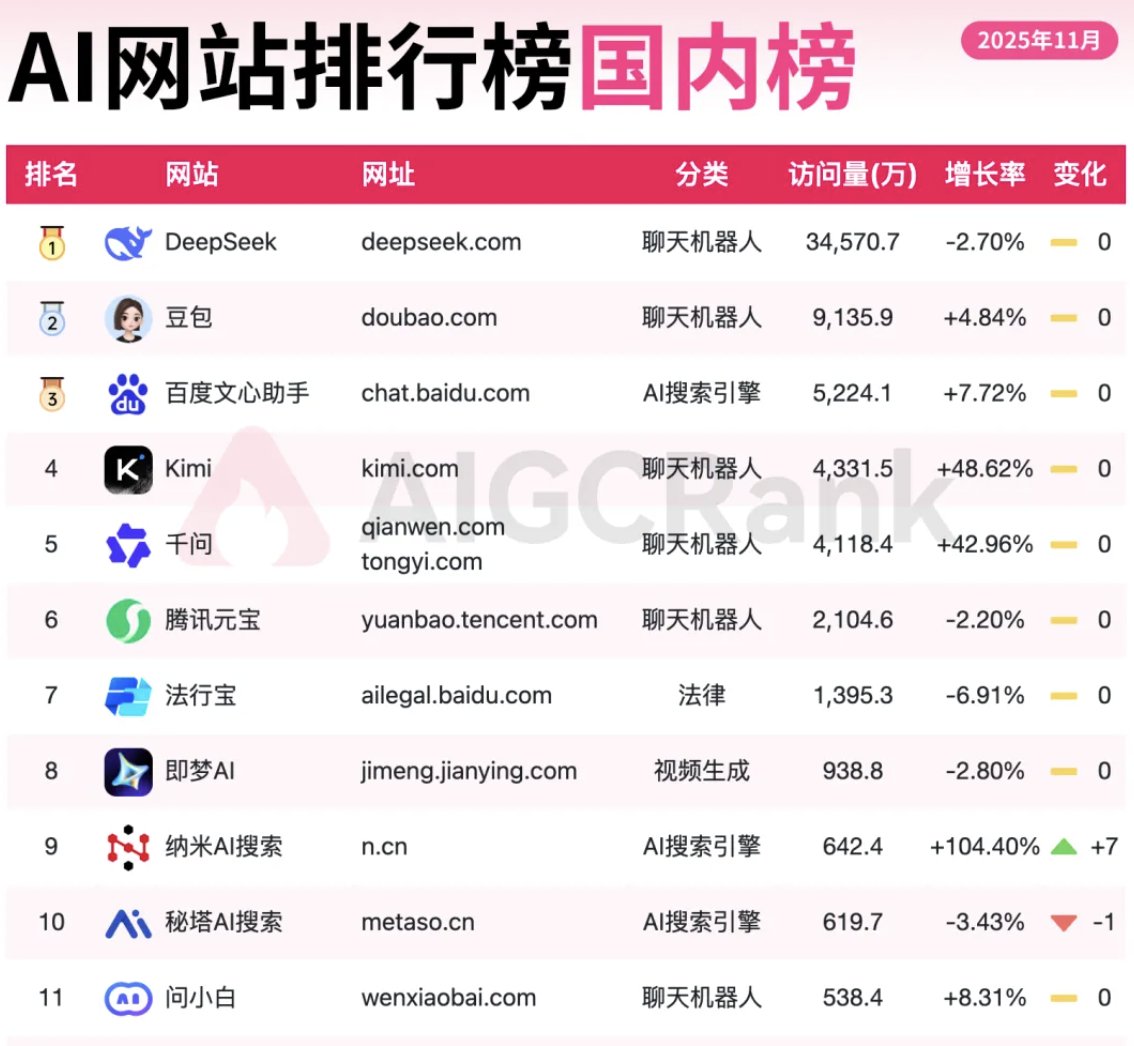
AI platforms create strong user lock-in through experience fit.
Key insights
Cinderella Glass Slipper Effect explains strong lock-in
A described psychological model named the "Cinderella Glass Slipper Effect" states that when a new AI model first perfectly solves a user's high-value pain point, that user group forms very high stickiness and long-term dependence on that model. Analysis cited shows earliest adopters who 'fit' a model form "foundational cohorts" that resist later, higher-performing models. The analysis explicitly states that user migration rates do not scale linearly with performance and that model performance does not equal user loyalty. This viewpoint is drawn from a detailed report and thread describing the effect.
Model personality and experience fit drive retention over raw performance
The posts state that users form familiarity and trust with a model's tone, response style, and expression logic, creating a "personality attachment." The "experience fit" concept is presented as a more important competitive axis than raw capability: a model that 'understands me' can retain users despite being technically weaker. The posts recommend that models be styled and personality-aligned, and that platforms support long-term user-model relationships via context memory and persistent preferences; fine-tuning and persona alignment are highlighted as retention levers.
Platform economics shift from compute/price to psychological matching
The posts state that in platform economies, the first platform or model to discover and satisfy a user cohort's 'fit point' can establish a stable ecosystem and lock-in. Competition is described as moving away from compute and pricing toward psychological fit and habitual usage. The analysis frames this as an "emotional sticky economy" where users choose the product that fits them best rather than the objectively best product.
Platforms are opening AI tools and incentivizing AI-generated content
Posts note that major social platforms are aggressively enabling AI features and offering traffic incentives to encourage users to produce AI-generated content. This activity is described as loosening prior restrictions on AI-generated content and using flow incentives to drive adoption and usage of AI tools across platforms.
Concerns that uniform AI beautification prompts calls for 'less-is-more' spaces
One post states that future platform content will be heavily AI-beautified and uniformly polished, producing visually perfect but homogenized outputs. The post compares mass AI-stylized content to eating fast food—satisfying but potentially fattening—and calls for a dedicated platform that removes AI 'decoration' and returns to 'less is more' authenticity.