
Content Rights & Licensing in the Age of Generative AI
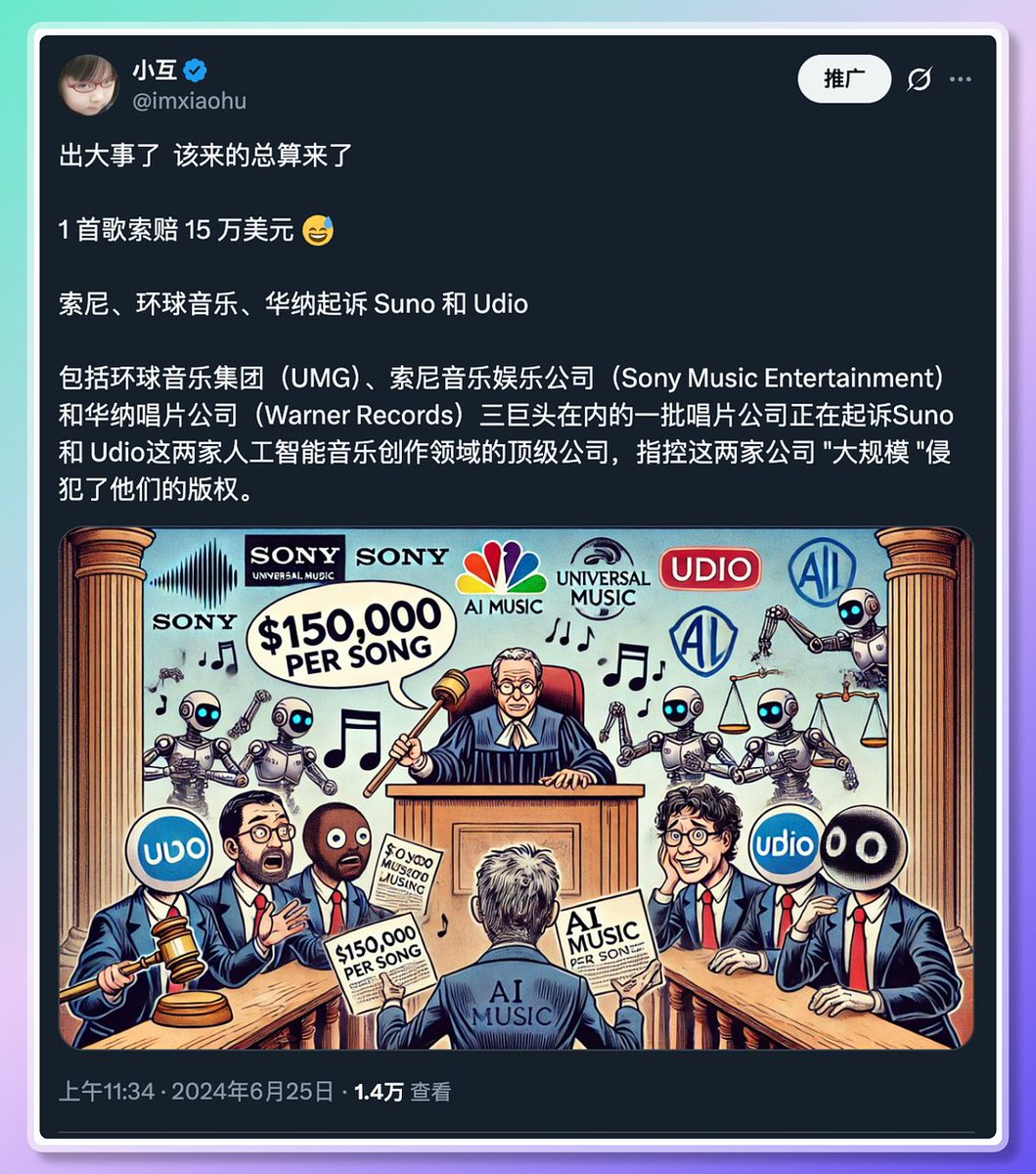
Two content-rights developments: OpenRouter analytics show open-source model usage skewed to roleplay and creative tasks (>50%), with programming at ~20%; Asia usage rose and a 'glass slipper' lock-in effect favors first-fit models (17418). Separately, Warner Music reached a settlement and licensing partnership with Suno: Warner granted song catalog and voice likeness rights under a revenue-sharing and opt-in framework, Suno will introduce an authorization model and restrict downloads/commerce to paid, licensed uses and acquired Songkick to bridge digital/real-world artist revenue (14327).
Key insights
OpenRouter data: roleplay dominates open-model usage and regional shifts favor Asia
OpenRouter analysis found that roleplaying and interactive storytelling accounted for >50% of open-source model usage while programming accounted for ~20%. The report noted rapid adoption in Asia (usage share doubling) and described a 'Cinderella Glass Slipper' effect where early model-to-user fit creates persistent loyalty despite later performance improvements.
Warner and Suno establish licensing framework for AI-generated music
Warner Music and Suno reached a settlement and strategic partnership: Warner licensed its catalog and voice likeness rights (with artist opt-in), Suno agreed to a new authorization model, revenue-sharing, paid download/commercial rules, and governance mechanisms. Suno also acquired Songkick, signaling integration of digital AI music with live-event and artist monetization.
AI music commercialization now requires explicit licensing and artist choice
The Warner–Suno agreement establishes that artist voices, styles and catalogs are licensable assets; platforms must implement opt-in, payment and usage limits for downloads and commercial distribution. This moves AI music from an unregulated creation environment to a rights-cleared ecosystem.
First-mover product fit and persona alignment matter more than raw model benchmarks
OpenRouter’s 'glass slipper' observation suggests that when a model uniquely satisfies a niche workflow or persona, users remain loyal and switching costs inhibit adoption of technically superior alternatives.