
Manus and the Cloud‑Resident Agent: Agentic Product Design & Tradeoffs
Manus positions cloud-resident Agents as persistent digital workers and prioritizes integration over training base models.
Key insights
Manus pursues cloud-resident agent architecture
Manus moved a browser-based agent concept into a cloud-resident design (internal code-name 'Airbnb') where the agent runs in a dedicated VM sandbox 24/7. The cloud-resident approach enables continuous context capture from webpages, documents and integrations without interrupting local user sessions. Manus retained Monica (a browser extension) as a context-gathering input channel while avoiding local resource contention by running agents remotely.
Manus rejects building base models and emphasizes orchestration
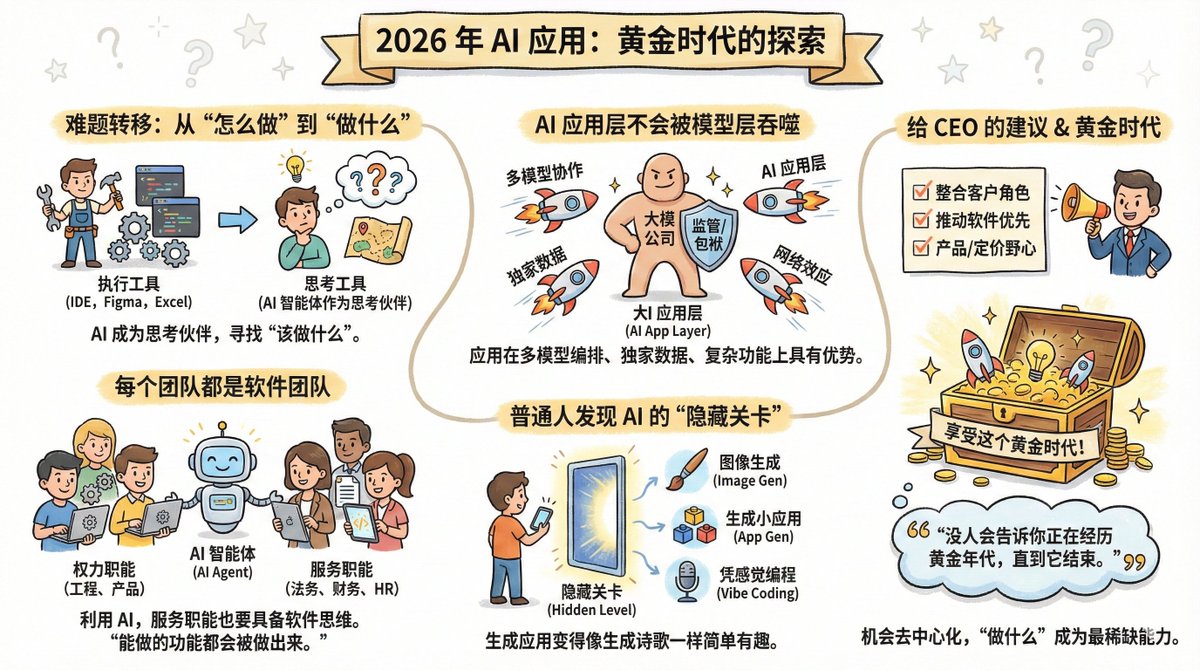
Manus’ co-founder and chief scientist decided not to train an in-house foundation model, framing such efforts as a 'model lottery' that locks product timelines to model checkpoints. Instead Manus integrates multiple third-party models (Anthropic, OpenAI, Gemini) and co-opts top model vendors as strategic providers while focusing product development on agent orchestration, tool integration and user trajectory data collection.
Manus targets prosumers and controls rollout due to compute limits
Manus initially used invite-only access to control on-premise/cloud compute usage; the product targeted prosumers rather than mass DAU given high inference costs. After stabilizing compute supply, Manus removed invites and scaled availability. The firm prioritized Agentic Hours (effective agent work time) and sought to monetize heavy, high-value use rather than wide low-value DAU.
Manus emphasizes anchored trial‑and‑repair agent behavior over workflow rules
Manus favors 'pure-blood' generalist agents that observe, reflect and self-correct rather than hard-coded workflow or strict role decomposition. The team implements agent visual capabilities and iterative self-repair loops so agents detect and fix output errors (e.g., chart label issues) rather than relying on patches for every edge case.
Manus derives a data advantage from user trajectories and feedback
Manus argued that agent usage generates richer 'trajectory' data — the full sequence of tool calls, retries, corrections and user edits — which differs from simple chat Q&A logs. Manus positions this trajectory data as an application-level asset for continual product improvement and as leverage when negotiating with model vendors.
Manus founders sought complementary leadership to balance technical focus
Manus’ engineering co-founder opted out of a CEO role, citing dislike of people management and organizational bandwidth costs; the team selected a CEO characterized as 'normal' and steady to enable long-term product and fiscal discipline while pursuing high-cost agent research.