
Prompt Engineering and Creative AI Tools (Nano Banana Pro, Gemini, NotebookLM)
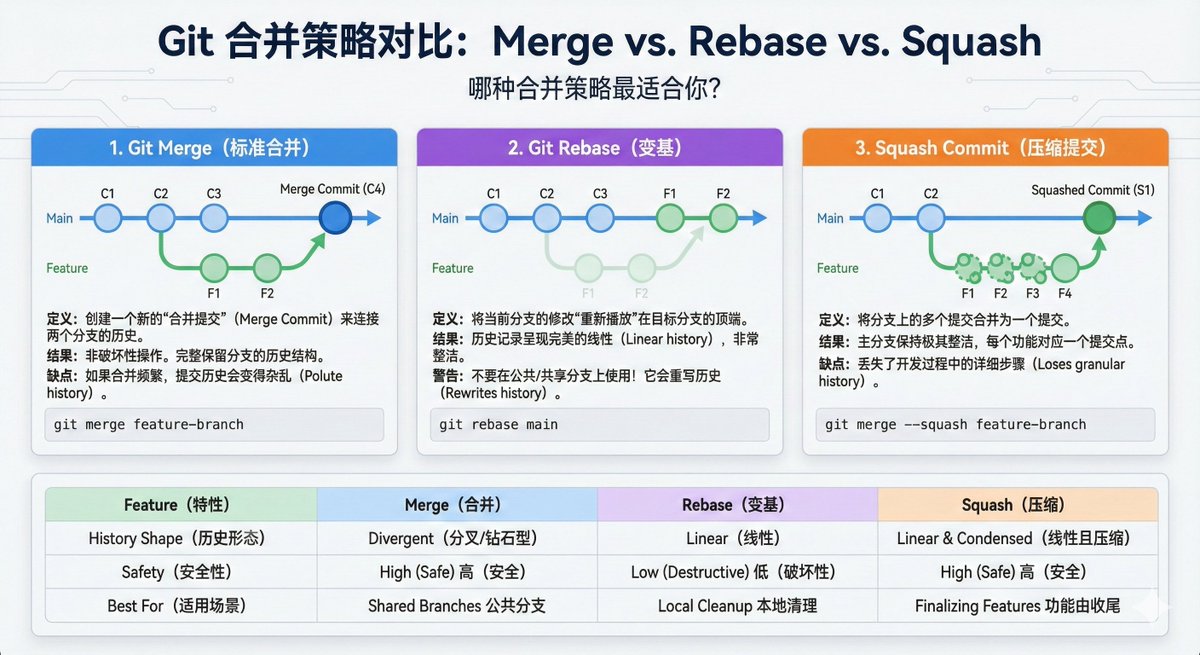
Nano Banana Pro and Gemini can collaboratively generate infographics and implement prompt engineering processes.
Key insights
Generating Infographic Structure with Gemini and Drawing with Nano Banana Pro
An example process indicates: send the 'Infographic' prompt and the content to be converted into an infographic to Gemini, which will generate a structured description of the infographic. In the same session, request Gemini to use Nano Banana Pro to draw the infographic, or copy the text generated by Gemini into Nano Banana Pro for drawing. The post provides a link to example dialogues and demonstrates the actual operational steps and results of this collaboration.
Prompt Templates and Strict Output Rules for Infographic Design
A detailed prompt template sets the AI as a 'world-class instructional designer' and stipulates that the generated infographic content must include structured elements such as title, learning objectives, concept explanations, and practical tutorials under each objective. The process includes: analyzing source documents, creating a high-level outline, and expanding content for each learning objective. Key rules listed in the prompt include: output must be in Markdown, tone as an expert trainer, no new information may be added, and data from the source document must be copied verbatim. This template is recommended for passing to professional infographic designers.
Custom Presentation Generation Feature Example of NotebookLM
NotebookLM's 'Presentation (PPT)' feature supports personalized slide generation through custom prompts. Example steps include: setting the language to Chinese, selecting a long duration (optional), and writing style instructions in the prompt (e.g., 'Explain key information in a Minion style'). The system will output slides in the corresponding style. The post includes multiple screenshots of the presentation outputs, showcasing the effects of generating presentations in specific cartoon styles.
Iterative Method for Prompt Writing
The prompt writing adopts a cyclic iterative process: first, describe the idea to the AI, which generates the initial prompt; test and validate the generated results; request the AI to adjust the prompt based on validation results; retest, and repeat until satisfied. This method emphasizes a closed-loop iterative process starting with AI generation and involving human testing and validation as intermediate steps.