
Structured Reading Notes and LLM Enhancements for Personal Knowledge Bases
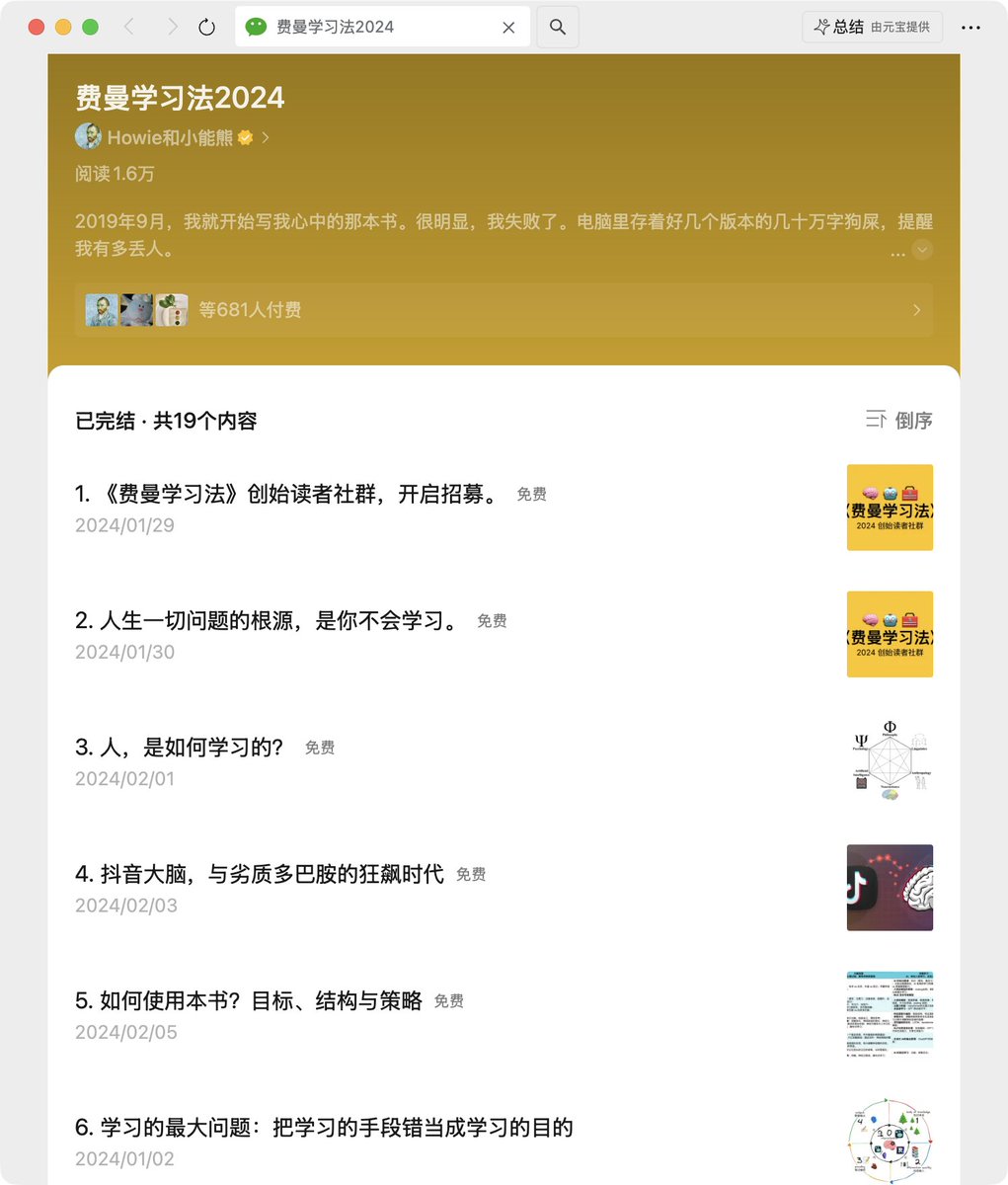
Core Event: Multiple discussions focus on using LLMs and tools to structure books and knowledge into graphical and textual notes, enhancing personal knowledge bases. Structuring and breaking down books into graphical notes can compress information density, making the logical structure clear and aligning more closely with cognitive processes. New tools (such as 🍌 pro, notebooklm, etc.) can automatically organize, compress, and visualize information, reducing manual production costs. The method of 'logseq/obsidian conceptual notes + LLM full-process enhancement' essentially distills knowledge using top-tier models, replacing the need for long-term personal pre-training, serving as a foundational knowledge base for subsequent reasoning training. Articles and long-term writing examples are cited as supplementary materials and practical cases.
Key insights
Graphical Structured Notes Enhance Information Density and Cognitive Efficiency
Practitioners point out that breaking down a book into structured graphical notes can compress information density, clarify logical structures, and align more closely with the human learning process of initially constructing vague blocks before filling in details. New tools can automatically complete this type of breakdown and visualization, reducing manual costs and changing the presentation format of reading notes.
LLM-Enhanced Conceptual Notes as a Foundation for Knowledge Distillation and Reasoning
The method of 'logseq/obsidian conceptual notes + LLM full-process enhancement' is described as distilling high-quality knowledge through top-tier models, compensating for the individual's lack of extensive pre-training, thus saving computational power and establishing an effective foundation for subsequent reasoning training. The author provides long-term writing and case studies as practical references.