
The Impact of AI on Learning, Career Choices, and Organizational Decision-Making
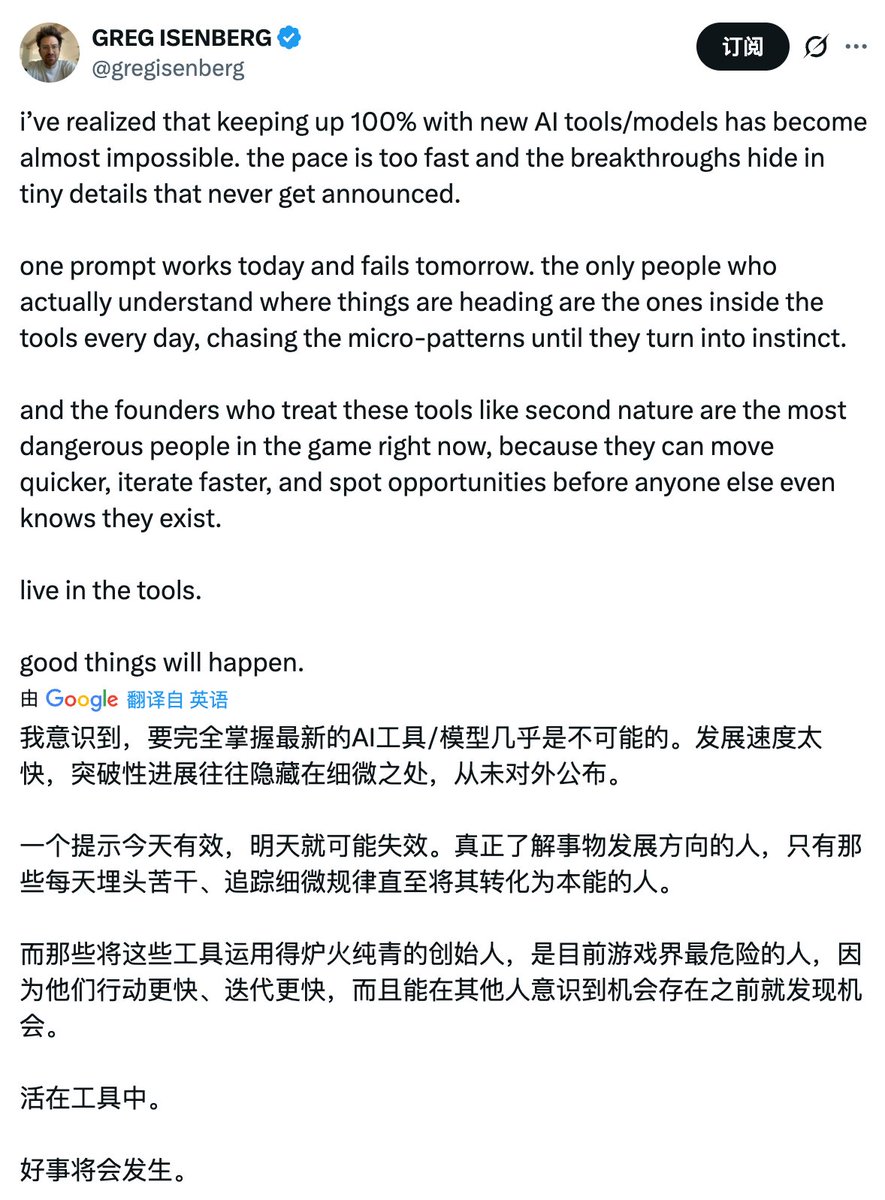
Several discussions focus on the impact of AI on learning, career choices, and organizational decision-making: - AI will promote 'meta-learning' rather than merely changing curriculum content, leading to fundamental adjustments in learning methods and content modalities. - AI can serve as an efficiency tool to lower the threshold for complex tasks, but it may also be misused, resulting in a decline in independent thinking; distinguishing users' learning ability differences is crucial. - In terms of career choices, some viewpoints map learning abilities to job roles: those with strong learning abilities are suited for Computer Science (CS), while those with average learning abilities are suited for Electrical Engineering (EE), based on the differing infrastructure demands of future virtual and physical worlds. - AI is used in organizational decision-making to 'arbitrate' disputes: directly requesting model judgments during meetings influences the discussion process, highlighting the tool's redefinition of organizational decision-making processes and cultural impact. - Some voices point out that using AI as an arbitration tool may alter meeting dynamics and lead to new behavioral consequences.
Key insights
AI Will Promote Meta-Learning and Transform Learning Paradigms
The viewpoint suggests that AI will not only improve learning content but will also drive changes in meta-learning (how to learn), altering learning paradigms and content modalities. This shift allows individuals to move away from traditional, standardized educational paths to pursue knowledge training that aligns more closely with their interests and abilities.
Mapping Career Paths to Infrastructure Needs
Analysis indicates a mapping of future career capabilities to learning abilities into two categories: those with strong learning abilities tend to gravitate towards Computer Science (CS) (algorithms, computing power, data, software), while those with average learning abilities lean towards Electrical Engineering (EE) (energy, semiconductors, sensors, control). It is noted that possessing both sets of skills would provide a significant competitive advantage.
AI Changes Organizational Decision-Making Processes and Culture
Multiple records show that directly invoking AI to resolve disputes in meetings is becoming the norm. Models providing conclusions within 30 seconds may redefine discussion leadership, leading to a cultural shift where 'we provide context to the model' rather than 'the model serves us.' This calls for vigilance regarding this process and the values it embodies.